Why Two Athletes at the Same Race Have Completely Different Hydration Needs
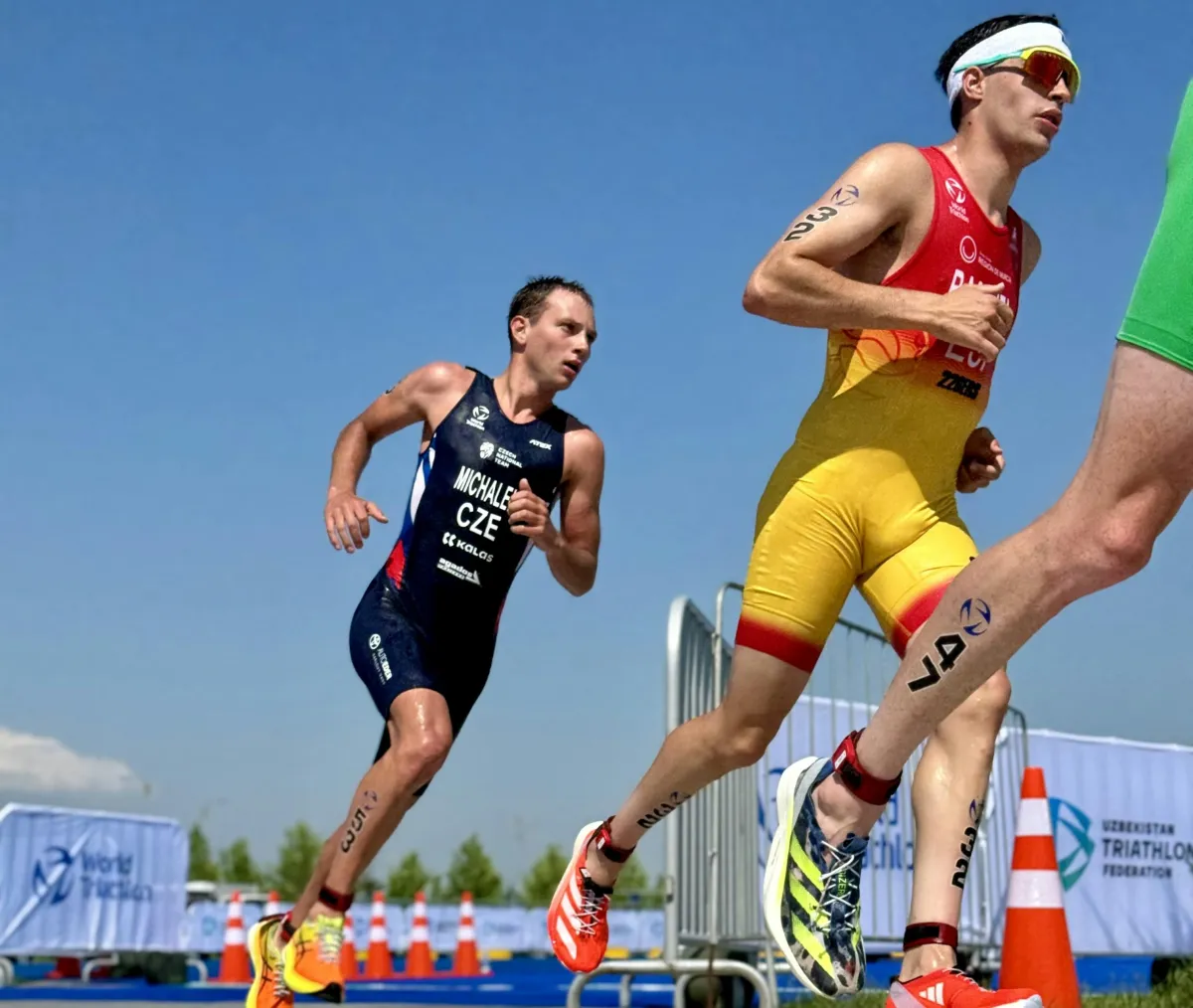
Picture two athletes crossing the finish line of Ironman 70.3 Melbourne within minutes of each other. Same race. Same conditions. Same distance.
Now picture them both following the on-course nutrition advice — the same electrolyte sachets, the same fluid intake guidelines. One of them finishes feeling reasonably strong. The other has been cramping since the halfway mark on the run and is wondering what went wrong.
Often, the issue isn't fitness or training. It's that a generic hydration strategy was applied to two very different bodies.
The range is enormous
At Sweat Testing Victoria, I test athletes from across the spectrum of sweat sodium concentration. The lowest I've seen is under 300mg per litre. The highest has been over 1,800mg per litre. That's a six-fold difference between athletes doing the same sport in the same conditions.
When you account for differences in sweat rate too — some athletes lose 500ml per hour, others lose 2 litres per hour — the variation in total sodium losses across a 5-hour race can be extraordinary. One athlete might lose 2,000mg of sodium in a 70.3. Another doing the same race in the same conditions might lose over 8,000mg.
Standard sports drinks are typically formulated at around 300-500mg of sodium per 500ml serving. You can see why this might be wildly insufficient for someone on the higher end of the loss spectrum.
Why generic advice fails salty sweaters
"Salty sweaters" — athletes with high sweat sodium concentrations — often show a characteristic pattern: they perform well in cool conditions but suffer badly in heat, they get visible white salt stains on their kit after long sessions, they experience cramping that seems disproportionate to their fitness or effort, and they often feel genuinely unwell after hot races despite drinking plenty.
Many of these athletes have tried adding electrolytes and found it helps. But without knowing their actual concentration, they're still guessing at the dose.
The same logic applies in reverse. An athlete with a low sweat sodium concentration who over-corrects on electrolytes isn't in danger, but they may be spending money unnecessarily and experiencing GI discomfort from the excess load.
The value of knowing your number
When you know your sweat sodium concentration, you can choose the right product, dose appropriately for session length and conditions, plan race day nutrition accurately without relying on generic course advice, and stop second-guessing why your hydration strategy works sometimes and not others.
This is what separates a sweat test from any other form of hydration advice. You're not working from averages. You're working from your body.
